4 hr
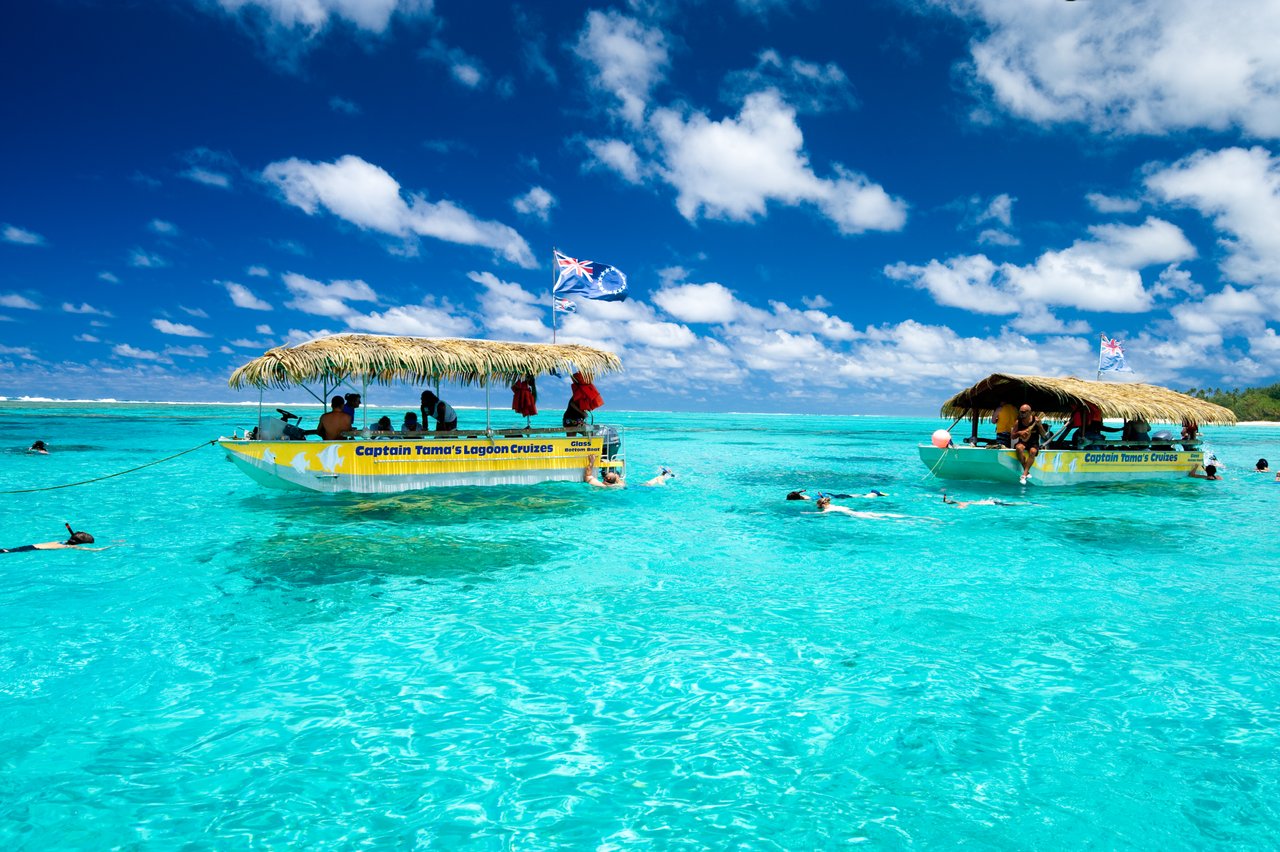
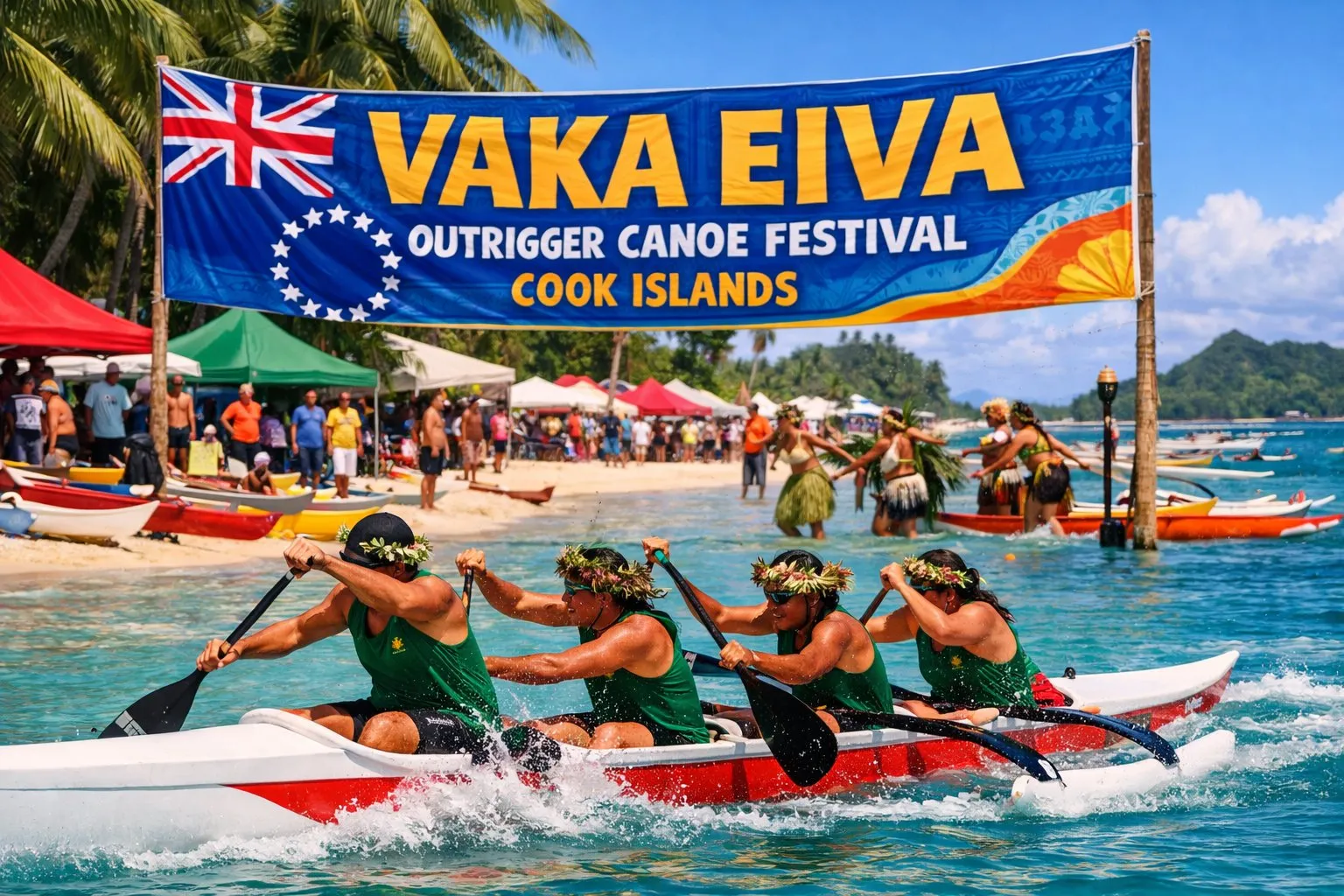
Muri Lagoon Snorkel Cruise with Island BBQ
Explore Rarotonga's marine reserve, meet tropical fish, and feast on fresh grilled seafood with live music
Reserve
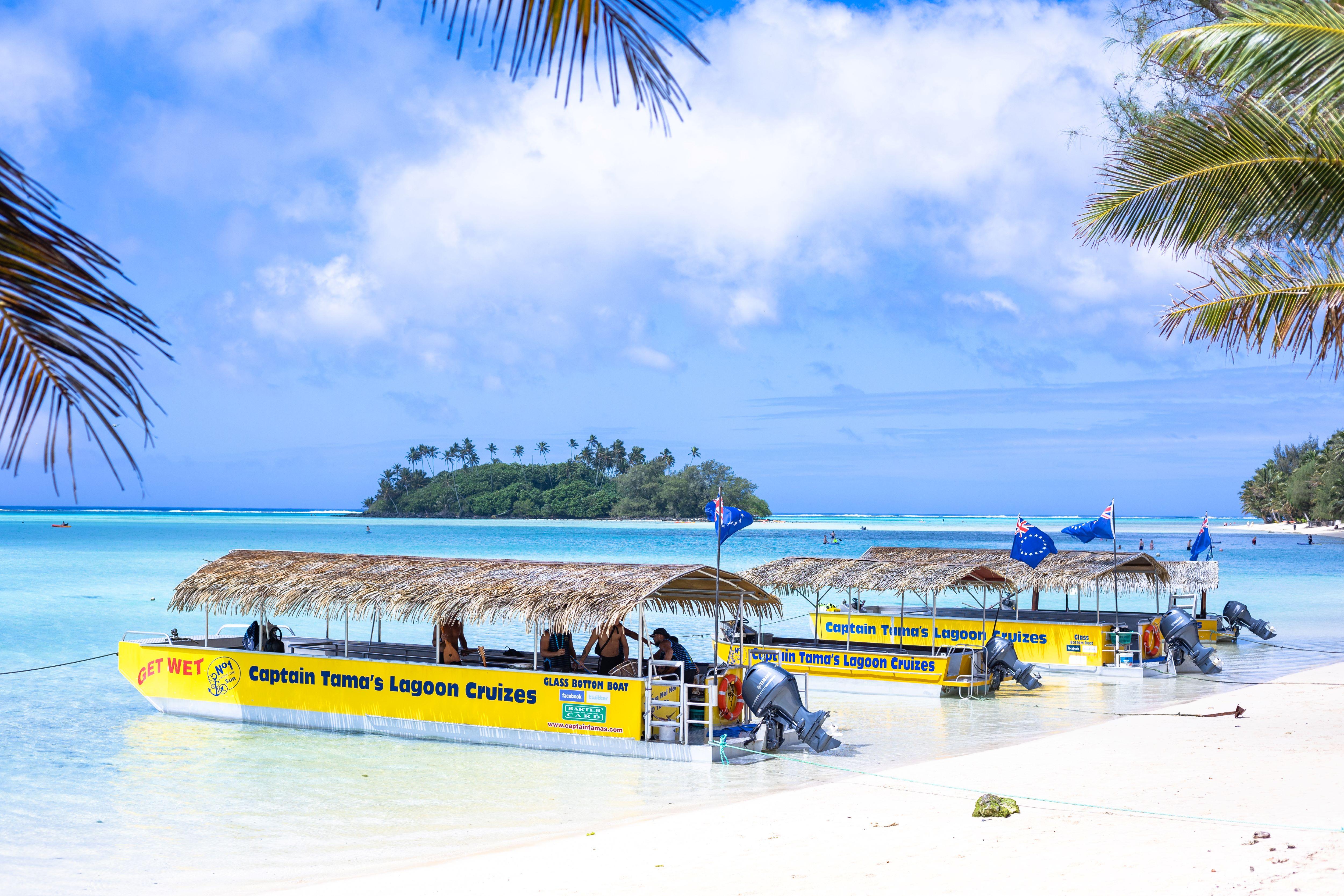
Turquoise shallows and coral gardens, four hours on Rarotonga's calmest water
Hand-picked by our editors — only the best 4 lagoon experiences from 11 reviewed.
Verified partners for Muri Lagoon Cruise tours, free cancellation where available, and instant confirmation on every booking.
4 hr
Explore Rarotonga's marine reserve, meet tropical fish, and feast on fresh grilled seafood with live music
Reserve
6 hr
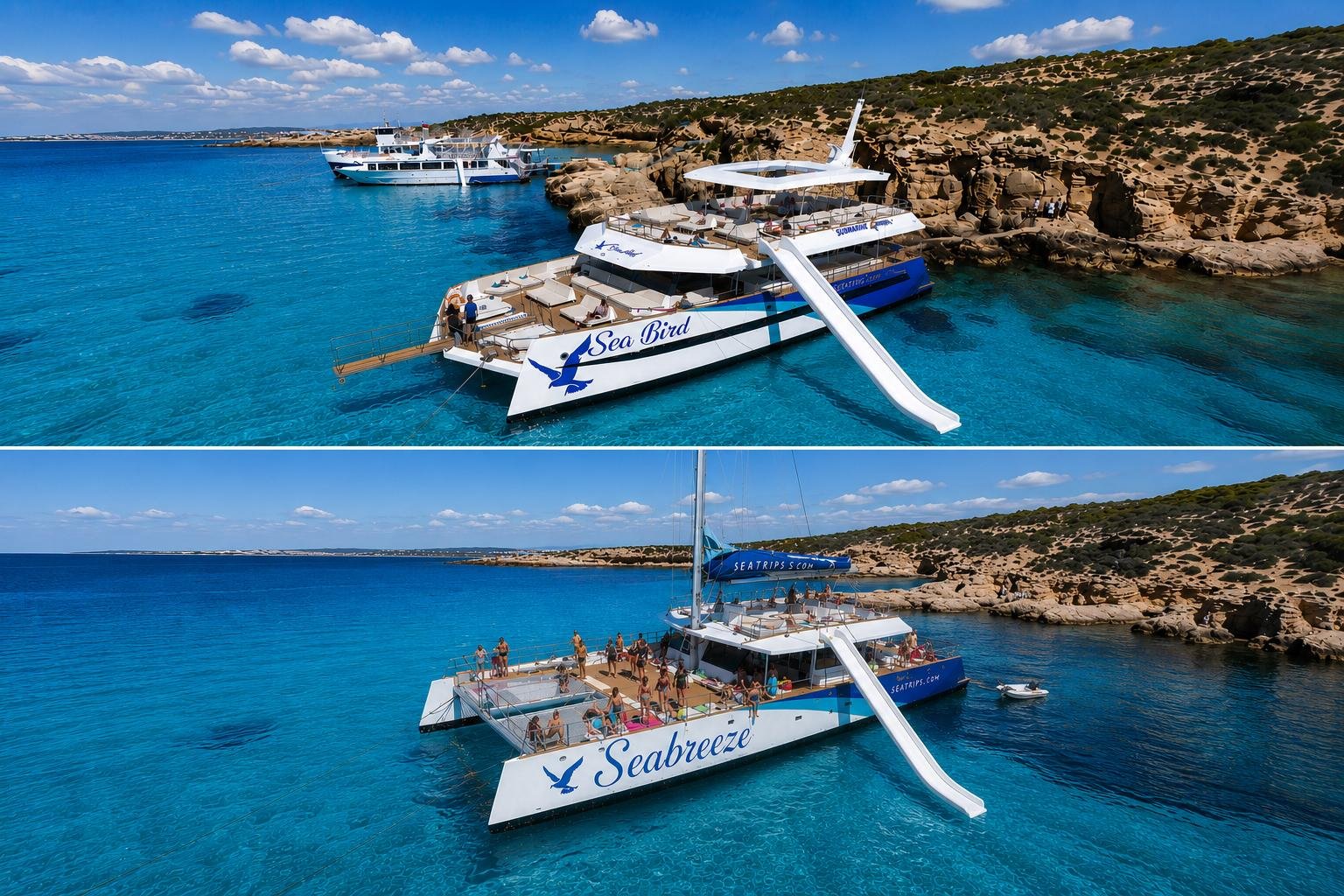
Discover Comino's turquoise lagoons and dramatic caves aboard a spacious catamaran with waterslides and onboard bar
Reserve
3 hr
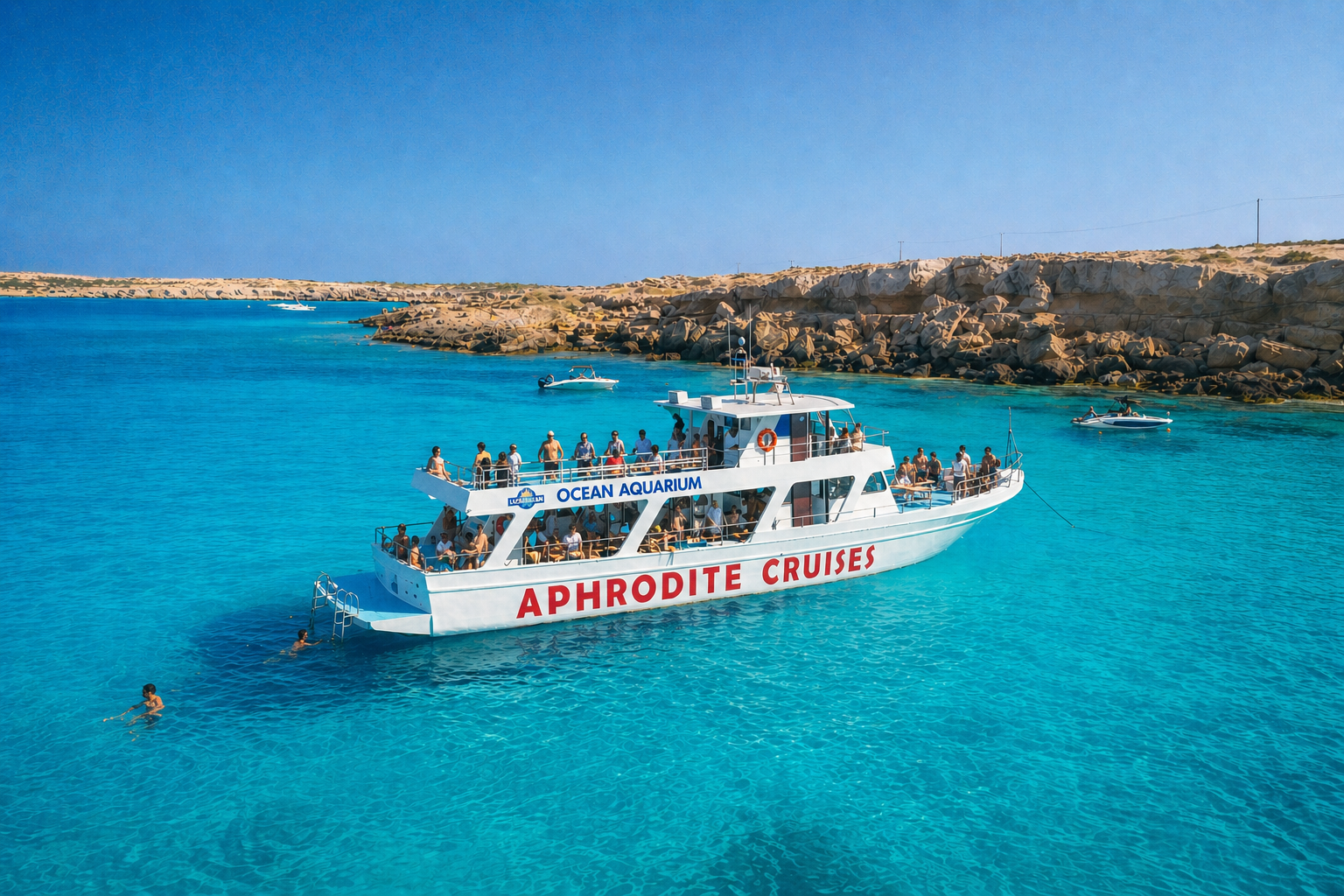
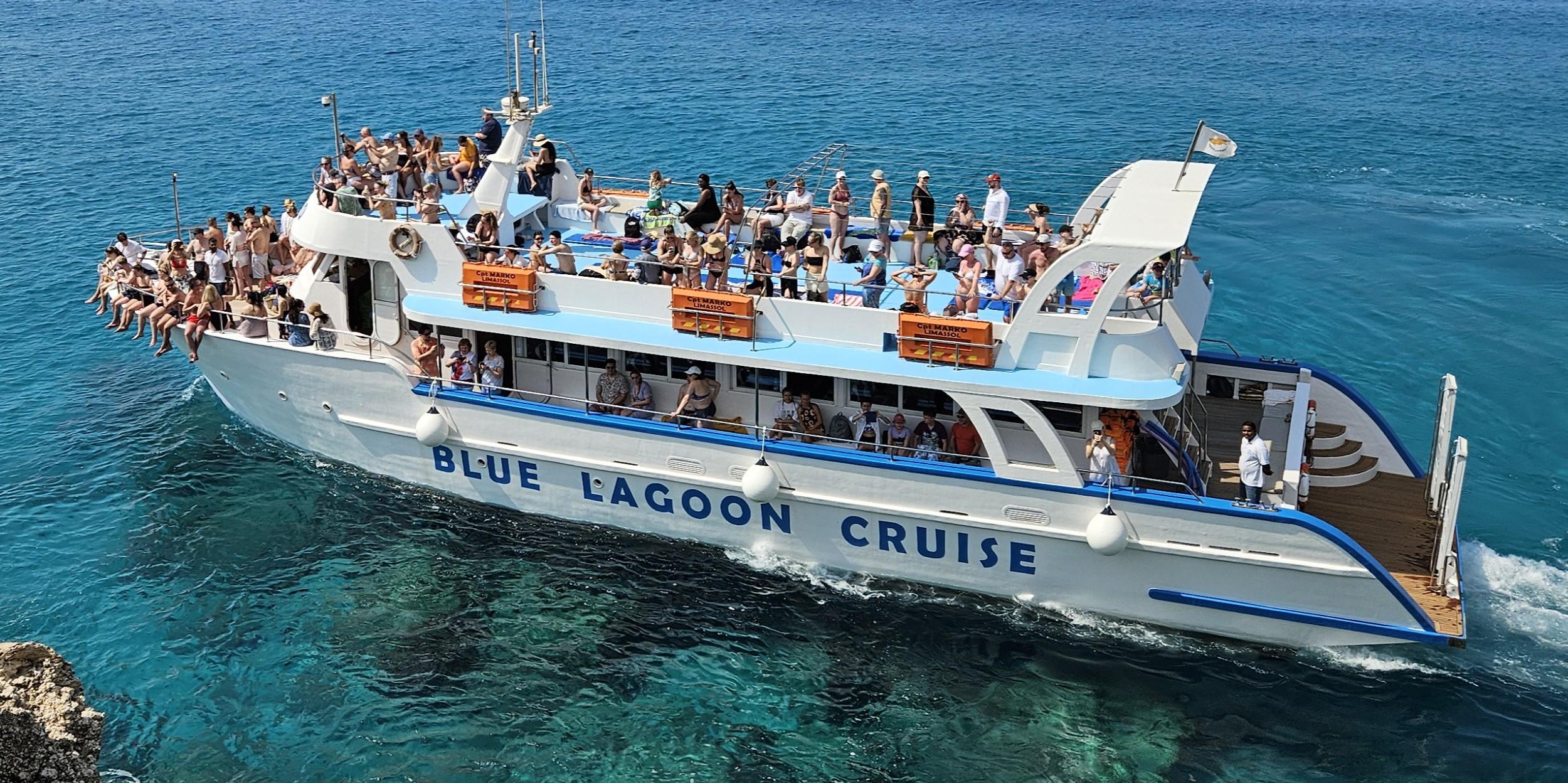
Sail Cyprus' stunning coastline, swim in crystal-clear waters, and explore dramatic caves on this scenic boat adventure
ReservePrices from verified partners. Availability updates in real time at checkout. Free cancellation policies apply where shown.
The landmarks, rooms, and views travelers on Muri Lagoon Cruise tours remember — all visible on a single visit.
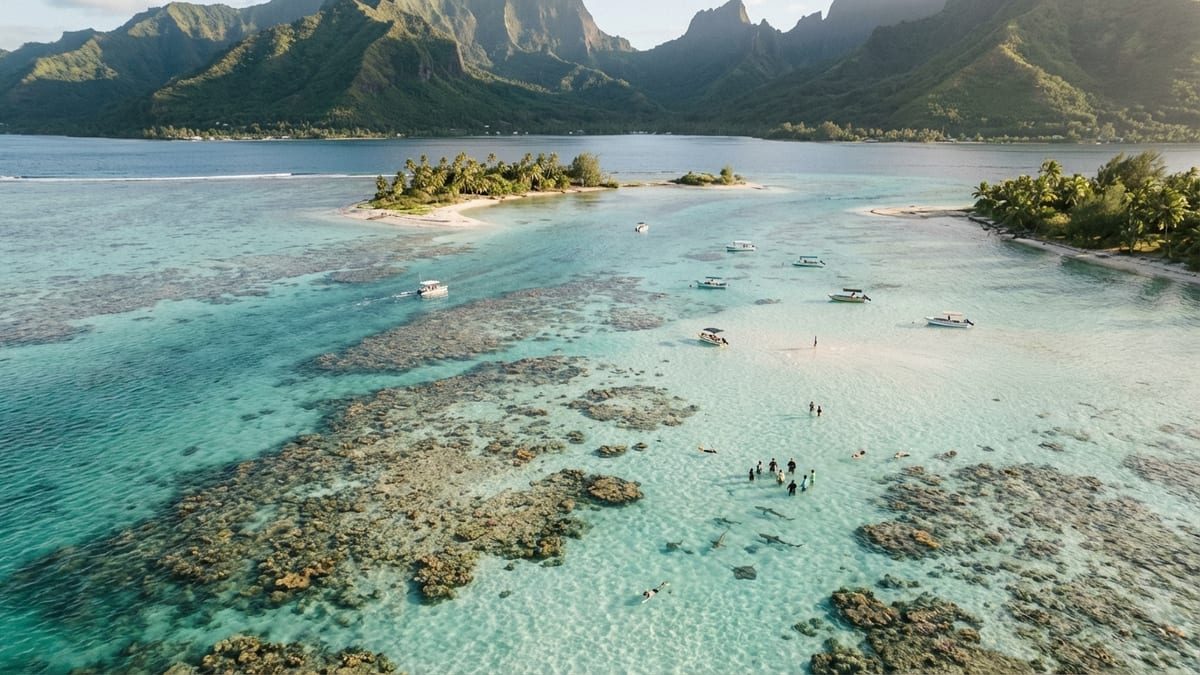
A scenic motu frequently used for BBQ lunches and cultural demonstrations.
Vibrant underwater areas featuring diverse marine life and protected reefs.
The primary departure hub with pristine white sands and turquoise waters.
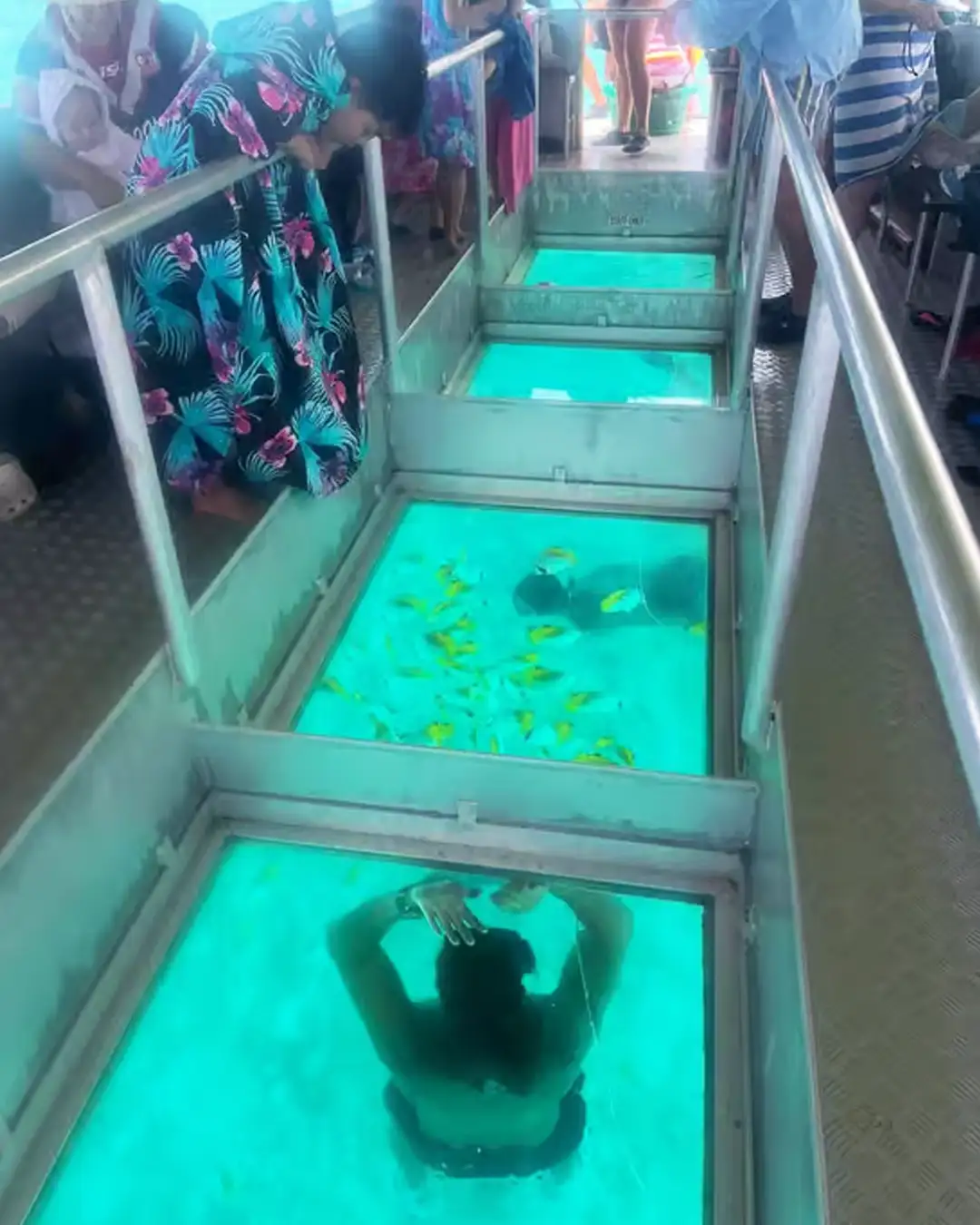
Specialized vessels allowing observation of the sea floor without entering water.
A protected area ensuring high water quality and abundant tropical fish.
Every Muri Lagoon Cruise tour side-by-side — duration, what's included, how you redeem.
| Experience | From | Duration | Rating | Skip-the-line | Guide | Free cancel. | Price | |
|---|---|---|---|---|---|---|---|---|
|
Standard Entry Most popular
Muri Lagoon Snorkel Cruise with Island BBQ
|
— | 4 hr | ★ 4.5 | — | — | ✓ | €59 | Book → |
|
Guided Experience
Comino Catamaran Cruise: Blue Lagoon, Crystal Lagoon & Sea Caves
|
— | 6 hr | ★ 4.7 | ✓ | ✓ | ✓ | €30 | Book → |
|
Standard Entry
Blue Lagoon & Sea Caves Cruise from Protaras
|
Protaras | 3 hr | ★ 4.7 | — | ✓ | ✓ | €30 | Book → |
All prices from verified partners. Availability and exact terms confirmed at checkout.
Guided options offer organized social interaction and marine education, whereas independent snorkeling provides total freedom to explore the Rarotonga reef environment at your own rhythm.
| Feature | Top pick Muri Lagoon Cruise | Independent Exploration |
|---|---|---|
Structure and Guidance |
Organized itinerary and guides | Self-directed planning |
Equipment Provided |
Snorkel gear often included | Self-provided or rented |
Social Experience |
Group setting with others | Solitary or private group |
Ability to Set Pace |
Fixed tour schedule | Fully flexible timing |
Cost Comparison |
Paid tour fees | 0 NZD entrance fee |
Safety and Local Knowledge |
Supervised with reef expertise | Personal responsibility required |
| See tickets → |
Verdict: Choose a muri lagoon cruise tour if you prefer structured marine education, or opt for independent exploration if you value personal flexibility and muri lagoon cruise tickets budget savings.
Choose your ticket, select your date, and reserve in under two minutes. Secure checkout handled by our verified partner.
Instant confirmation by email, with a mobile voucher you can save offline. No printing, no queuing at a collection desk.
Arrive at the entrance, show your voucher on your phone, and walk in. Most tickets include priority or skip-the-line access.
Practical details for Muri Lagoon Cruise tickets straight from our verified partners — hours, access, rules, and how to get there.
Muri Beach, Rarotonga
Main departure hub for most cruise operators
Open in Google MapsClockwise or anti-clockwise service on the main ring road
Follow the main coastal road; parking available at Muri Beach
Direct transfer from airport or Avarua to Muri
Wear comfortable swimwear and light clothing suitable for a tropical climate. A sun hat and sunglasses are highly recommended to protect against intense mid-day rays.
Keep belongings minimal and water-resistant. Most boats provide overhead netting or dry storage areas for personal items during the muri lagoon cruise tour.
Bring a waterproof camera or a protective pouch for your phone to capture the marine life. The glass-bottom panels offer unique opportunities for underwater photography from the boat.
Many operators feature glass-bottom vessels with handrails and ladders for water entry. Contact specific muri lagoon cruise operators in advance to confirm wheelchair boarding capabilities.
Mobile phones are permitted. Keep ringer off inside exhibition spaces.
The lagoon is exceptionally safe for children, with shallow protected waters ideal for young snorkelers. Ensure children under 12 are supervised by an adult at all times during your muri lagoon cruise.
A fresh fish BBQ lunch is commonly provided as part of the excursion on a nearby motu. Bringing extra bottled water is advised, though most cruise tours provide refreshments.
Pets are not allowed, with the exception of service animals with appropriate documentation.
Last entry is typically 1 hour before closing. Check the specific ticket for timing.
Best time to go, insider tips, nearby landmarks, and the cancellation fine print — flip through to skim what matters to you.
How crowds, weather, and events shift across the year.
Pleasant temperatures and lower humidity before the peak season crowds arrive.
Cooler, drier weather providing consistent visibility for snorkelers.
Ideal shoulder months with balanced temperatures and excellent marine activity.
Warmer weather with occasional brief tropical showers and lush island greenery.
Small details that turn a good visit into a great one.
Plan your snorkel for low tide when water is clearest over coral gardens.
Protect the delicate ecosystem by avoiding harmful chemicals.
Secure your muri lagoon cruise tickets early, especially during the dry season.
Follow crew instructions to preserve the coral and marine habitat.
Have small denominations for local market purchases near the beach.
Leave heavy bags at your accommodation to maximize space on the boat.
Non-bookable sights within a short walk — free to visit, easy to pair.
Small motu often used for lunch stops
Renowned marine reserve with dense fish populations
Iconic mountain peak known as The Needle
Historical site where early voyagers arrived
Flexible, no hidden fees.
Full refunds are typically provided for cancellations made at least 24 hours in advance. Entrance to Muri Lagoon is 0 NZD, though operators charge for their specific cruise tours.
Hand-picked options within walking distance — pick a district for vibe, or a specific hotel for convenience.
Beachfront property with spa and pool facilities
Upscale villas near the best lagoon access points
Great value bungalows with lagoon views
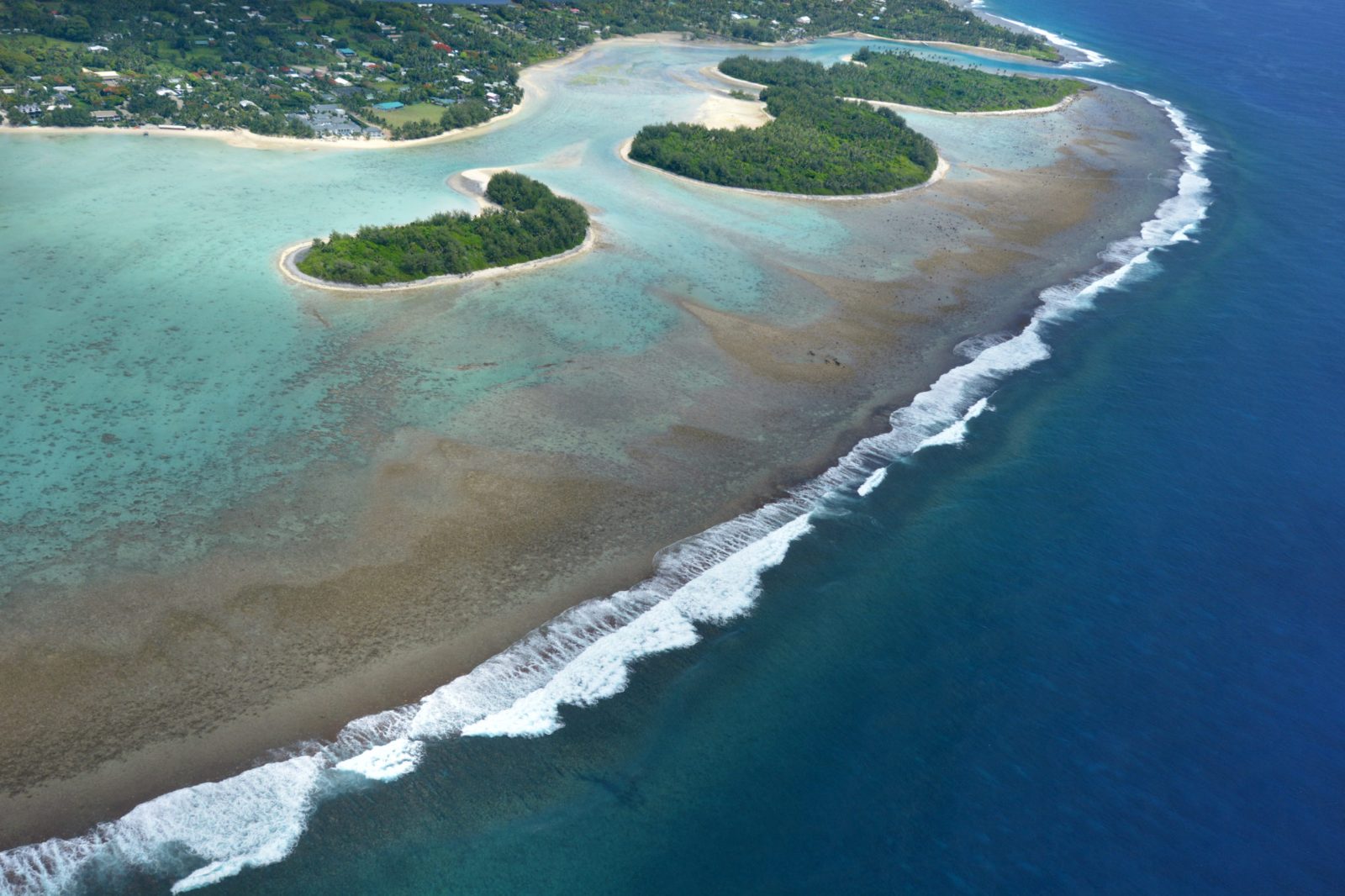
Muri Lagoon stretches three kilometers along Rarotonga's southeastern coast, a shallow turquoise basin no deeper than four meters at high tide and sheltered by a fringing reef that breaks the Pacific swell half a kilometer offshore.
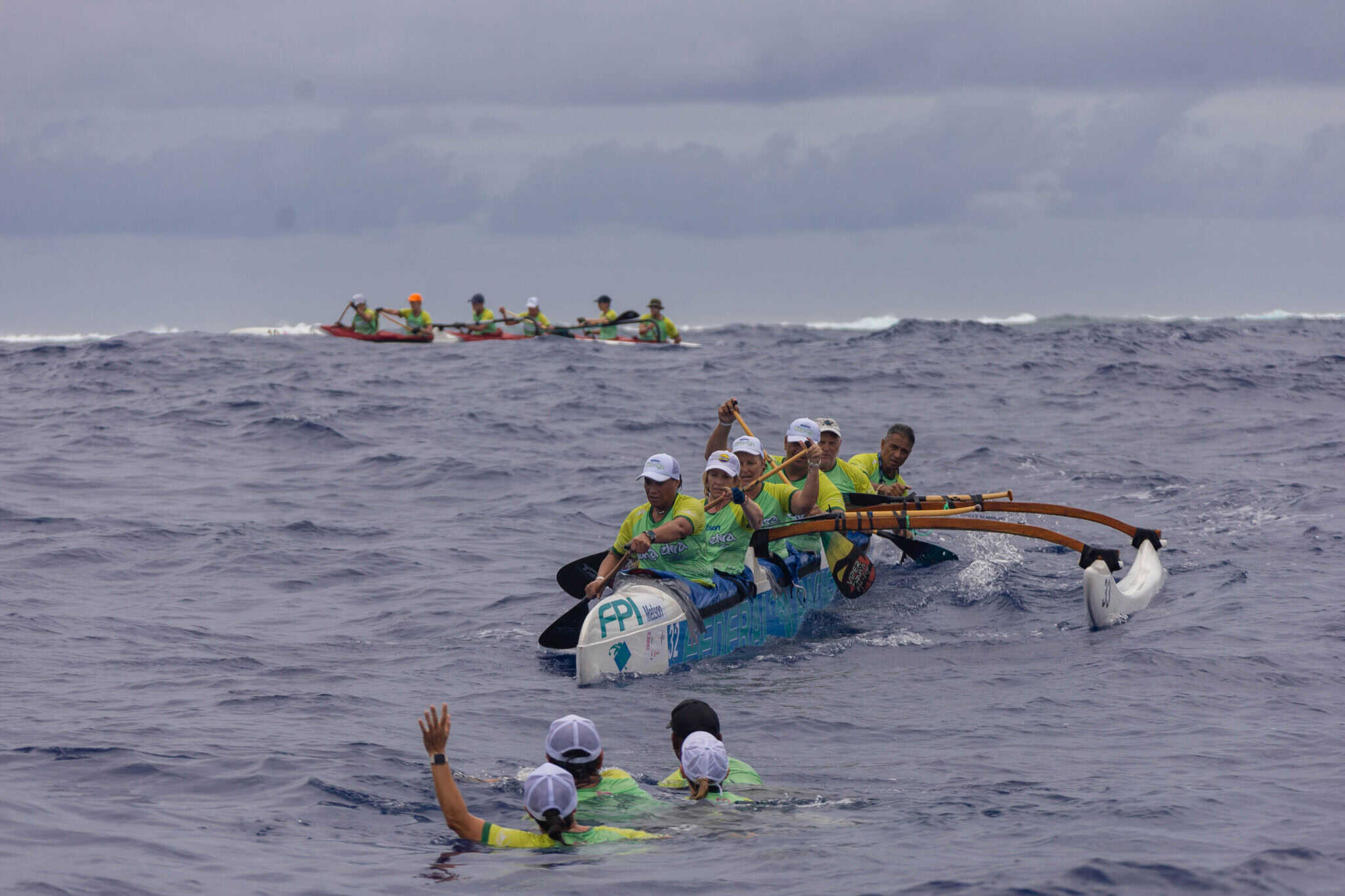
The lagoon floor is white sand punctuated by bommies—isolated coral heads that rise like pillars—and the water clarity averages twenty meters on calm mornings. Cook Islanders have navigated these waters for centuries in outrigger canoes, and the reef passage at the lagoon's northern edge remains the primary route for vaka sailors traveling between the four small motu that dot the outer reef.
Muri lagoon cruise operators emerged in the late 1990s when Rarotonga's tourism infrastructure expanded beyond the island's western resorts. The earliest tours used retrofitted aluminum skiffs, but by 2010 most operators had shifted to purpose-built glass-bottom boats and shallow-draft catamarans designed to drift over the bommies without anchor damage. Today's fleet includes vessels ranging from twelve-passenger pontoon boats to forty-passenger catamarans, nearly all powered by four-stroke outboards that meet the lagoon's noise restrictions. The motu—Koromiri, Taakoka, Oneroa, and Motutapu—are privately owned, and cruise itineraries respect customary land boundaries, with landings permitted only on designated public-access beaches.
The reef ecosystem supports seventy-three species of hard coral, including massive Porites colonies that are estimated at two hundred years old. Fish populations are dense: parrotfish, wrasse, damselfish, and surgeonfish dominate the shallows, while eagle rays and blacktip reef sharks patrol the deeper channels near the reef crest. Snorkeling conditions peak between May and October when trade winds moderate and visibility extends beyond thirty meters. Most muri lagoon cruise tours include snorkel gear, reef-safe sunscreen guidance, and orientation on lagoon ecology. BBQ lunch offerings vary by operator but typically feature grilled mahi-mahi, taro, and coconut-steamed breadfruit prepared on the motu beaches.
The lagoon's calm water makes it accessible year-round, though the wet season from November to March brings occasional afternoon squalls that can reduce visibility and surface conditions. Morning departures between ten and noon align with optimal light angles for underwater photography and coincide with lower passenger volumes at snorkel sites. Operators enforce a strict no-touch policy on coral and prohibit feeding fish, reflecting Cook Islands' 2017 marine sanctuary legislation that designated all Rarotonga coastal waters as protected habitat. The muri lagoon cruise rarotonga experience remains the island's most accessible marine encounter, requiring no prior snorkeling experience and offering stable platforms for non-swimmers to observe the reef through glass viewing panels.
"The lagoon floor is white sand punctuated by bommies—isolated coral heads that rise like pillars—and the water clarity averages twenty meters on calm mornings."
A step-by-step walkthrough of Muri Lagoon Cruise tickets — what you'll see, how long each stage takes, and the details that matter.
You board at Muri Beach between ten and eleven, stepping onto a pontoon or catamaran that holds twelve to forty passengers depending on your chosen operator. The boat motors slowly past the beach resorts, and within five minutes you reach the first bommie cluster, where the captain cuts the engine and you drift.
If you booked a glass-bottom option, you kneel at the viewing panels and watch parrotfish graze on algae-covered coral, their beaks scraping audibly against the substrate below.
You pull on fins and a mask, descend the swim ladder, and fin toward a coral head fifteen meters from the boat. The water is warm—twenty-six degrees—and you hover above brain coral and plate coral formations, surrounded by schools of yellow and blue damselfish. A hawksbill turtle surfaces ten meters to your left, exhales, and dives back toward the reef crest. You return to the boat after twenty minutes, and the captain motors toward one of the outer motu.
You anchor in waist-deep water off a palm-fringed beach. Crew members wade ashore carrying coolers, and if you selected a muri lagoon bbq lunch cruise, you watch them light coconut-husk fires and grill fish fillets wrapped in banana leaves. You eat on woven mats under the palms, then snorkel the motu's leeward side before reboarding for the return crossing. You dock back at Muri Beach by two in the afternoon, sand-dusted and sun-tired.
Most cruises operate between 10:00 and 14:00, Sunday to Friday.
Access to the lagoon is 0 NZD, though individual operators charge for the muri lagoon cruise tour.
Yes, you can easily purchase muri lagoon cruise tickets through official operator websites or local booking agents.
Bring swimwear, a towel, reef-safe sunscreen, and a camera for your muri lagoon cruise.
Yes, families are welcome; infants are often free, and children usually have specific age-bracket pricing.
The lagoon is protected and shallow, making it safe for all skill levels during your muri lagoon cruise.
Cancellations made 24 hours prior generally qualify for a full refund on your muri lagoon cruise tour.
The meeting points are located along Muri Beach, accessible via local buses or rental cars.
While BBQ lunch is provided on most muri lagoon cruise tours, bringing your own water is recommended.
You can combine your trip with visits to the Fruits of Rarotonga marine reserve or local motu.